How Long Does It Take to Charge a Forklift Battery? Your Ultimate Guide
Keeping your warehouse humming depends on one critical factor: forklift battery charging. Downtime from slow or inefficient charging can grind operations to a halt, costing you time and money. At LI-ESS, we’re passionate about powering your fleet with high-quality batteries that deliver results. In this guide, we’ll break down how long it takes to charge a forklift battery, explore lead-acid, lithium-ion, and TPPL options, and share expert tips to optimize your charging process. Ready to boost efficiency and cut downtime? Let’s get started!
Types of Forklift Batteries and Their Charging Times
When it comes to forklift battery charging time, the type of battery you use plays a big role. There are three main types to consider: lead-acid, lithium-ion, and Thin Plate Pure Lead (TPPL) batteries. Each comes with its own charging characteristics and benefits.
Lead-Acid Batteries
Lead-acid forklift batteries are the most common in warehouses. They are reliable and cost-effective but take the longest to charge. Typically, a full charge can take anywhere from 8 to 12 hours depending on the battery capacity. Because they need to cool down after charging, the overall downtime can stretch even longer if you factor in equalizing and watering maintenance.
Lithium-Ion Batteries
Lithium-ion forklift batteries are changing the game with faster charging times and less maintenance. These batteries usually charge fully within 1 to 3 hours. Plus, they support opportunity charging, which means you can top them up quickly during breaks without harming battery life. That makes them perfect for busy operations needing minimal downtime.
Thin Plate Pure Lead TPPL Batteries
TPPL batteries are a newer lead-acid technology designed to offer better performance. They charge faster than traditional lead-acid batteries, often completing a full charge in around 4 to 6 hours. TPPL batteries also handle partial charges better, making them a solid middle ground between lead-acid and lithium-ion options.
Understanding these charging time differences helps you pick the right battery type for your forklift fleet, balancing cost, maintenance, and operational demands.
Factors That Affect Forklift Battery Charging Time
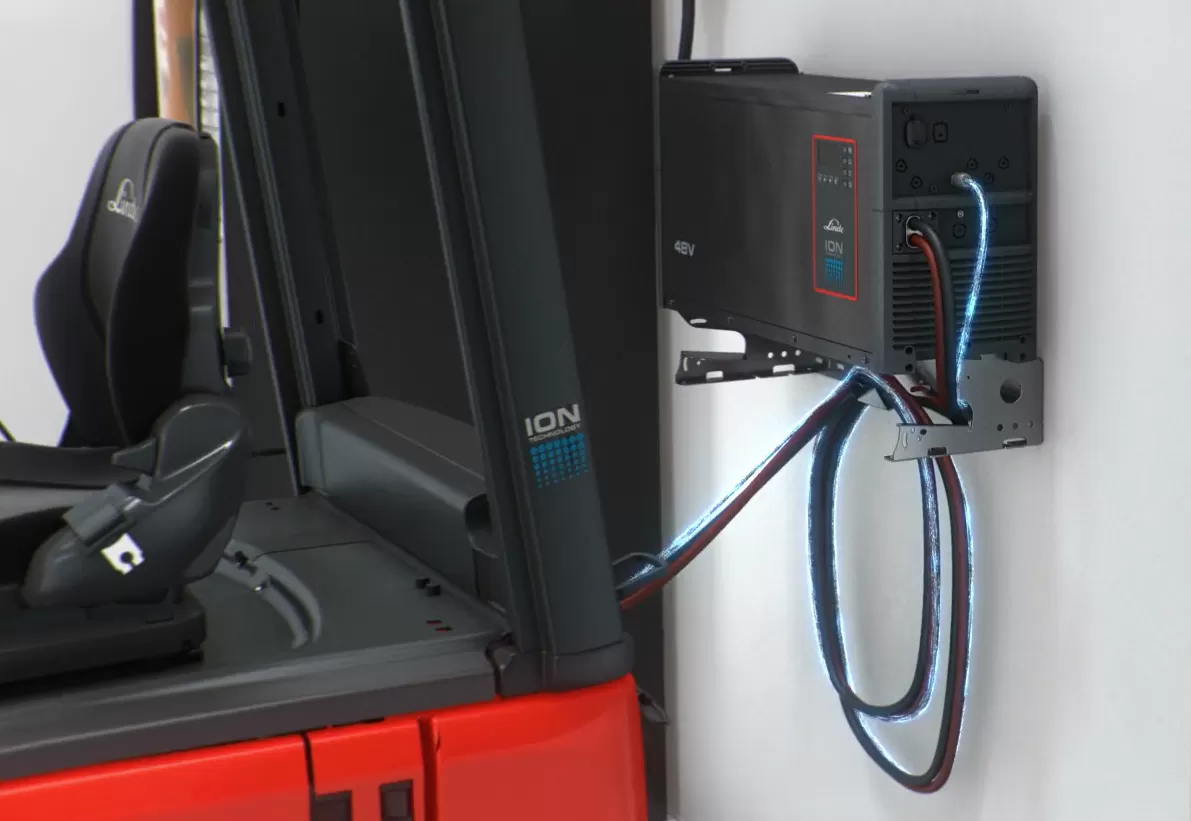
Several factors influence how long it takes to charge a forklift battery. Understanding these can help you plan better and avoid unnecessary downtime.
Battery Capacity and State of Charge
The size or capacity of the battery plays a big role. Larger batteries, like a 400ah lead-acid forklift battery, will naturally take longer to charge than smaller ones. Also, the current state of charge matters—a battery that’s nearly empty takes longer to recharge than one partially charged.
Charger Type and Output
The type of charger you use impacts charging time. Conventional chargers provide a steady, slower charge, while fast charging forklift battery chargers with higher output voltage and amperage cut down charging time significantly. However, not all batteries support fast charging, so always check compatibility.
Ambient Temperature
Charging forklift batteries in extreme temperatures affects efficiency. Cold temperatures slow down the chemical reactions inside the battery, prolonging charge time. On the flip side, extremely high temperatures can stress the battery and reduce its lifespan. A moderate, controlled environment is best for consistent charging.
Battery Age and Condition
Older batteries or those with wear and tear will not charge as efficiently as new ones. Battery health impacts charging speed and capacity—damaged cells or sulfation in lead-acid batteries can increase charging time and reduce overall performance. Regular forklift battery maintenance is key to keeping charging times predictable.
Knowing these factors helps you manage forklift battery charging time better, ensuring smooth operations in your facility.
Charging Methods and Their Impact on Time
How you charge your forklift battery plays a big role in how long it takes to get back to full power. There are three main charging methods: conventional charging, opportunity charging, and fast charging. Each affects forklift battery charging time differently.
Conventional Charging
This is the most common method, especially for lead-acid forklift batteries. It usually takes 8 to 12 hours to fully charge a standard battery. This slower pace helps extend battery life but means your forklift is out of commission overnight or longer.
Opportunity Charging
Opportunity charging is all about top-ups during short breaks. Instead of waiting until the battery is nearly empty, you plug in during downtime like lunch or shift changes. This method can add small boosts to the battery quickly, reducing total charging time per session and increasing uptime. It’s especially common in busy warehouses using lithium-ion forklift batteries.
Fast Charging
Fast chargers dramatically cut charging time, sometimes charging batteries in 1 to 3 hours, depending on the charger and battery type. Fast charging is convenient but can cause extra heat and wear, particularly for lead-acid batteries. Lithium-ion batteries handle fast charging better, making this method popular when quick turnaround is critical.
Choosing the right charging method depends on your forklift’s battery type, work schedule, and how often you can afford downtime. Each method balances charging time with battery health and operational needs.
Best Practices for Efficient Forklift Battery Charging
Charging your forklift battery the right way helps keep your equipment running longer and avoids downtime. Here are some best practices for efficient forklift battery charging:
-
Charge Regularly but Don’t Overcharge
Avoid letting the battery drop too low before charging, but don’t keep it on the charger longer than necessary. Overcharging can harm lead-acid forklift batteries and reduce their lifespan.
-
Use the Right Charger Type
Match your forklift battery with a compatible charger—lead-acid batteries need different chargers than lithium-ion or TPPL forklift batteries. Using the right charger helps reduce forklift battery charging time and prevents damage.
-
Keep Batteries Clean and Dry
Dirt and moisture can cause electrical shorts or corrosion. Wipe down battery terminals before charging to ensure good contact and safer charging.
-
Charge in a Well-Ventilated Area
Lead-acid batteries release gases during charging. Good ventilation prevents gas buildup, protecting your workplace and staff.
-
Maintain Correct Charging Temperature
Charging in extreme temperatures can slow charging time or damage the battery. Keep the charging area between 50°F and 86°F for best results.
-
Follow Routine Forklift Battery Maintenance
Check water levels in lead-acid batteries regularly and top with distilled water as needed. Regular maintenance keeps the battery healthy and charging efficiently.
-
Use Opportunity Charging for Busy Operations
For high-use forklifts, opportunity charging during breaks can keep your fleet running without long downtime, cutting overall forklift battery charging time.
By sticking to these best practices, you’ll get the most life and performance out of your forklift batteries while keeping your operations smooth and safe.
Safety Considerations for Charging Forklift Batteries
When charging forklift batteries, safety should always come first. These batteries contain acid, heavy metals, or sensitive electronics, so mishandling them can lead to serious hazards. Here are the key safety points to keep in mind:
-
Proper Ventilation: Lead-acid batteries release hydrogen gas while charging, which is highly flammable. Always charge batteries in well-ventilated areas to prevent gas buildup and reduce the risk of fire or explosion.
-
Personal Protective Equipment (PPE): Wear protective gloves, safety glasses, and appropriate clothing to avoid acid burns or injuries from battery acid spills.
-
Correct Charger Use: Use the charger that matches your forklift battery type—whether lead-acid, lithium-ion, or TPPL. Chargers designed specifically for each battery minimize the risk of overcharging or overheating.
-
Avoid Overcharging: Overcharging can cause excessive heat and damage the battery, even causing fires. Modern chargers often have automatic shutoff features, which help prevent this.
-
Handle Batteries Carefully: Batteries are heavy and contain corrosive materials. Use proper equipment and techniques to move and install batteries safely.
-
Inspect Equipment Regularly: Check battery cables, connectors, and chargers for damage. Frayed wires or loose connections can create sparks or short circuits.
-
Emergency Preparedness: Keep neutralizing agents like baking soda handy to handle acid spills. Also, know the location of fire extinguishers rated for electrical and chemical fires.
Following these safety practices not only protects people but also prolongs battery life and maintains forklift reliability. If you’re unsure about any step, consulting an expert or electrician is always a smart move.
How LI-ESS Can Help Optimize Your Forklift Battery Charging
LI-ESS knows how important it is to get your forklift battery charged quickly and safely so your operation keeps running smooth. Their products focus on quality and reliability, which means less downtime and longer battery life for you. Here’s how LI-ESS can help optimize your forklift battery charging:
-
Advanced Chargers for Every Battery Type: Whether you use a lead-acid forklift battery, lithium-ion forklift battery, or TPPL forklift battery, LI-ESS offers chargers designed to fit your exact needs. Their chargers support conventional charging, fast charging, and opportunity charging to save you time.
-
Smart Charging Technology: LI-ESS chargers come with smart features that monitor battery health and adjust charging speed. This means you can avoid overcharging or undercharging, which extends battery life and keeps performance steady.
-
Energy Efficient Solutions: By optimizing power use during charging, LI-ESS chargers cut down on electricity waste, which lowers your costs and supports greener warehouse operations.
-
Safety and Compliance: With built-in safety checks and certifications, LI-ESS chargers make sure your forklift batteries are charged within safe limits, reducing risks like overheating or fires.
-
Customized Support and Service: Based in the U.S. market, LI-ESS understands local needs and offers expert support to help you choose the right charger and maintain your batteries effectively.
If you want a reliable electric forklift charging guide that fits your schedule and budget, LI-ESS is a solid choice to improve your forklift battery charging time and keep your fleet moving.
 English
  Spanish
  Arabic
  Czech
Czech  German
  Bulgarian
  Danish
  Finnish
  Japanese
  Korean
  French
  Hungarian
  Chinese
  Ukrainian
  Russian